So You’re Thinking About Joining CrossFit?
You’ve heard the whispers, seen the intense videos, and perhaps even considered stepping into a CrossFit gym yourself. It’s an exciting thought, brimming with potential for transformation. But before you dive headfirst into what might seem like a whirlwind of barbells, burpees, double unders, handstand push-ups and box jumps, let’s pull back the curtain and show you what to expect, especially on that very first day. Think of this as your personal roadmap to navigating the world of CrossFit as a beginner.
Find A Local CrossFit Gym
The first step in any adventure is finding your basecamp. Google Maps is your friend here. Search for “CrossFit gyms near me” or “CrossFit boxes Tomball, TX.” Don’t just pick the closest one; open a few tabs, browse their websites, and check out their social media. Look for photos of their facility, read testimonials, and get a feel for their vibe. Each gym, or “box” as they’re called in CrossFit, has its own unique personality.
Check Out the Staff & Community
Once you’ve narrowed down your options, it’s time for a deeper dive. Many boxes openly display their coaching staff’s bios and certifications. Take a moment to read them. Do they emphasize safety and proper form? Do they have experience working with beginners? Beyond the coaches, observe the community. Are people interacting? Is there a sense of camaraderie? A strong, supportive community can be the difference between sticking with it and fading away. Learn more about CrossFit Artillery & our staff here.
Schedule a CrossFit Free Trial Class
This is where the rubber meets the road. Most CrossFit gyms offer a free trial class or a “No Sweat Intro.” This isn’t just a workout; it’s an opportunity for you to experience the atmosphere, meet the coaches in person, and ask all your questions. It’s a chance for them to understand your fitness background and goals, ensuring they can provide the best guidance. Think of it as a low-commitment first date.
Sign a Waiver
Before you even think about touching a barbell, you’ll need to sign a waiver. This is standard procedure for any gym, especially one that involves dynamic movements and heavy lifting. Read it thoroughly, understand what you’re agreeing to, and don’t hesitate to ask if anything is unclear. It’s a necessary step to ensure you’re aware of the inherent risks involved in any physical activity.
What Exactly is CrossFit, Anyway?
At its core, CrossFit is a high-intensity fitness program that incorporates elements from several different sports and types of exercise. We’re talking weightlifting, gymnastics, cardio – all mixed into constantly varied, functional movements performed at high intensity. It’s designed to improve your overall physical fitness across ten general physical skills: cardiovascular/respiratory endurance, stamina, strength, flexibility, power, coordination, agility, balance, and accuracy. The goal: functional fitness.
Beyond the Sweat: The Philosophy Behind the Movements
CrossFit isn’t just about getting strong or fast; it’s about being ready for anything. The philosophy centers around “functional movements” – exercises that mimic natural, everyday motions like squatting, lifting, pushing, and pulling. Think about picking up groceries, lifting a child, or even just getting out of a chair. CrossFit workouts train your body to perform these tasks more efficiently and powerfully. It’s about building a robust, capable human being.
The “Why” Behind the Intensity
The “high intensity” aspect is crucial, but often misunderstood. It doesn’t mean recklessly pushing beyond your limits. Instead, it means working hard relative to your own capacity. Imagine trying to run a mile. For one person, a “high intensity” mile might be a 6-minute sprint. For another, it might be a 12-minute jog where they’re breathing heavily. CrossFit challenges you to find your high intensity, to push your boundaries safely, and to continuously improve your work capacity over time. The intensity of your CrossFit workout is what drives rapid fitness adaptations.
Your First Day: What to Expect When You Step Into a Box
Okay, the waiver is signed, the butterflies are fluttering, and you’re stepping into the “box.” What happens next?
The Atmosphere: More Than Just a Gym
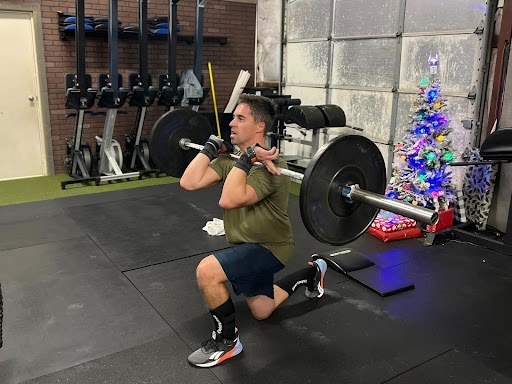
Forget the rows of solitary ellipticals and mirrored walls. A CrossFit box feels different. It’s often an open warehouse-like space, filled with barbells, kettlebells, pull-up rigs, and a sense of collective energy. You’ll hear music pumping, weights clanking, and people cheering each other on. It’s a vibrant, communal space, less like a traditional gym and more like a training facility. Expect to be greeted warmly; the community aspect is real, even for newcomers.
The Warm-Up: Preparing Your Body and Mind
Every CrossFit class begins with a thorough warm-up. This isn’t just a few arm circles; it’s a carefully designed sequence to prepare your body for the movements ahead. It involves dynamic stretching and specific mobility drills to get your joints moving and your muscles activated. Think of it as building a strong foundation before constructing a house. A proper warm-up prevents injury and optimizes performance.
Skill Work: Learning the Language of CrossFit
After the warm-up, the CrossFit coach will typically introduce the “skill work” or “strength segment.” This is where you’ll focus on learning or refining specific movements. On your first day, this might involve practicing air squats, deadlifts with a PVC pipe, or learning how to properly execute a burpee. The CrossFit coach will break down each movement into manageable steps, emphasize proper form, and provide individual feedback. We aim to make it beginner-friendly. This is your classroom time, where you learn the “language” of CrossFit. Don’t be afraid to ask questions!
The WOD (Workout of the Day): Your First Day
And now, for the main event: the WOD, or Workout of the Day. For your very first WOD, expect it to be heavily scaled and modified to your fitness level. This isn’t about crushing you; it’s about introducing you to the format and ensuring a safe, positive experience for all level of CrossFit athletes. You might do fewer repetitions, use lighter weights, or perform easier versions of complex movements. For example, instead of pull-ups, you might do ring rows. The coach will guide you every step of the way, making sure you understand the movements and the prescribed effort. Focus on form over speed or weight. Let the workout of the day meet you where you’re at.
The Cooldown: An Essential Part of the Process
Just as important as the warm-up is the cooldown. After the workout of the day or WOD, the CrossFit coach will lead the class through a series of static stretches and mobility exercises. This helps bring your heart rate down, promotes recovery (reduced soreness), and improves flexibility. It’s a time to reflect on the workout, stretch out any tight muscles, and transition back to your daily life. Don’t skip it; your body will thank you later.
Decoding the Lingo: A Quick Guide to CrossFit Speak
CrossFit, like any specialized field, has its own unique vocabulary. Don’t worry, you’ll pick it up quickly, but here are a few common acronyms you’ll encounter.
WOD
The Workout Of the Day. This is the main training session, typically lasting 10-20 minutes, that everyone in the class performs, albeit often with individual scaling.
TABATA
A specific high-intensity interval training protocol: 20 seconds of maximum effort work followed by 10 seconds of rest, repeated for 8 rounds. It’s brutally effective and surprisingly short.
AMRAP
As Many Rounds As Possible (or Reps As Possible). In an AMRAP workout, you complete as many rounds (or repetitions of a single movement) as you can within a set time limit.
EMOM
Every Minute On the Minute. With an EMOM, you perform a specific number of repetitions of an exercise at the start of each minute. The remaining time in that minute is your rest before the next minute begins.
CrossFit for All Fitness Levels: Scaling & Modifications
One of the biggest misconceptions about CrossFit is that you need to be in peak physical condition to start. This couldn’t be further from the truth. CrossFit is inherently designed to be universally scalable, meaning any workout can be adjusted to match your current abilities.
How Scaling Supports Smart Training
Scaling isn’t about being weak; it’s about being smart. Imagine trying to learn to play the piano. You wouldn’t start by playing a concerto; you’d begin with scales and simple melodies. Scaling in CrossFit is the same. If a workout calls for pull-ups and you can’t do one yet, your coach might have you do ring rows or use a resistance band to assist you. If the prescribed weight for a lift is too heavy, you’ll use a lighter one. The goal is to maintain the intended stimulus of the workout while ensuring safety and proper form, allowing you to gradually build strength and skill.
The Power of the CrossFit Community: More Than Just a Workout
The community aspect of CrossFit is often cited as the number one reason people stick with it. You’re not just working out alongside strangers; you’re sharing a challenging, often exhilarating, experience.
Finding Your Community
Picture this: you’re in the middle of a tough WOD, gasping for air, and someone next to you, who just finished, is cheering you on. That’s the CrossFit community in action. You’ll celebrate each other’s successes, offer encouragement during struggles, and forge bonds that extend beyond the gym walls. It’s a powerful support system that holds you accountable and motivates you to show up, even on days when you’d rather stay on the couch.
Before You Even Set Foot in the Box: Preparation Tips
A little preparation goes a long way in making your first CrossFit experience a positive one.
Do Your Homework: Finding the Right Box
As mentioned, research different boxes in your area. Look at their schedules, coaching staff, and online reviews. Some boxes have a more competitive edge, while others focus more on general fitness and community. Find one that aligns with your personal goals and comfort level.
Talk to a Coach: Your First Point of Contact
Before your trial class, if possible, have a brief conversation with a CrossFit coach. Explain your fitness background, any injuries you might have, and your goals. This allows them to tailor their approach to you on day one, making you feel more comfortable and prepared.
Dress for Success (and Comfort)
Wear comfortable athletic clothing that allows for a full range of motion. Think shorts or athletic pants, and a breathable t-shirt. For footwear, athletic shoes with good lateral stability are ideal – something designed for cross-training rather than just running. Avoid baggy clothing that could get snagged or restrict movement.
Fuel Your Body: Nutrition Matters
While you don’t need to overhaul your diet overnight, make sure you’re properly hydrated and have eaten a balanced meal a few hours before your class. Don’t show up on an empty stomach, or immediately after a heavy, greasy meal. Think lean protein, complex carbohydrates, and plenty of water.
The Mental Game: Overcoming Your Inner Doubts
It’s natural to feel intimidated or a bit nervous. CrossFit can look intense from the outside, and comparison is the thief of joy.
Embrace the Beginner Mindset
Leave your ego at the door. Everyone starts somewhere. The person next to you doing muscle-ups was once struggling with a simple pull-up. Focus on learning, listening to your coach, and moving well. Your first few classes are about building a foundation, not breaking records.
Celebrate Small Victories
Did you learn a new movement? Did you complete a WOD you thought you couldn’t? Did you just show up? These are all victories. Acknowledge your progress, no matter how small it seems. These incremental successes build confidence and keep you motivated on your journey.
Is CrossFit Right for YOU? Asking the Tough Questions
Before fully committing, it’s wise to consider if CrossFit truly aligns with your personal fitness journey.
Assessing Your Fitness Goals
Do you want to get stronger, improve your endurance, become more agile, or simply feel more capable in your daily life? CrossFit aims for broad, general, and inclusive fitness, making it suitable for a wide range of goals. If you have a very specific, niche goal (e.g., exclusively training for a marathon or powerlifting competition), CrossFit might still be beneficial as supplementary training, but it may not be your primary focus.
Considering Potential Risks and Rewards
Like any high-intensity physical activity, CrossFit carries inherent risks. Injuries can occur if form is compromised, if you push too hard too soon, or if you ignore your body’s signals. However, with proper coaching, scaling, and a mindful approach, the rewards are immense: increased strength, improved cardiovascular health, enhanced body composition, and a supportive community. It’s a journey of self-improvement that extends far beyond the physical.
Your CrossFit Journey Starts Now.
Stepping into a CrossFit box for the first time is a big leap, but it’s one that can lead to incredible physical and mental transformations. Go in with an open mind, a willingness to learn, and an eagerness to challenge yourself. Listen to your coaches, embrace the community, and celebrate every small victory. This isn’t just about working out; it’s about discovering what you’re truly capable of. Your journey to a stronger, more resilient you begins today. Click here to check out our classes & book a FREE TRIAL class!
Be The First To Comment